Ball Mill Liner Material and Grinding Efficiency: A Calculation Often Got Wrong
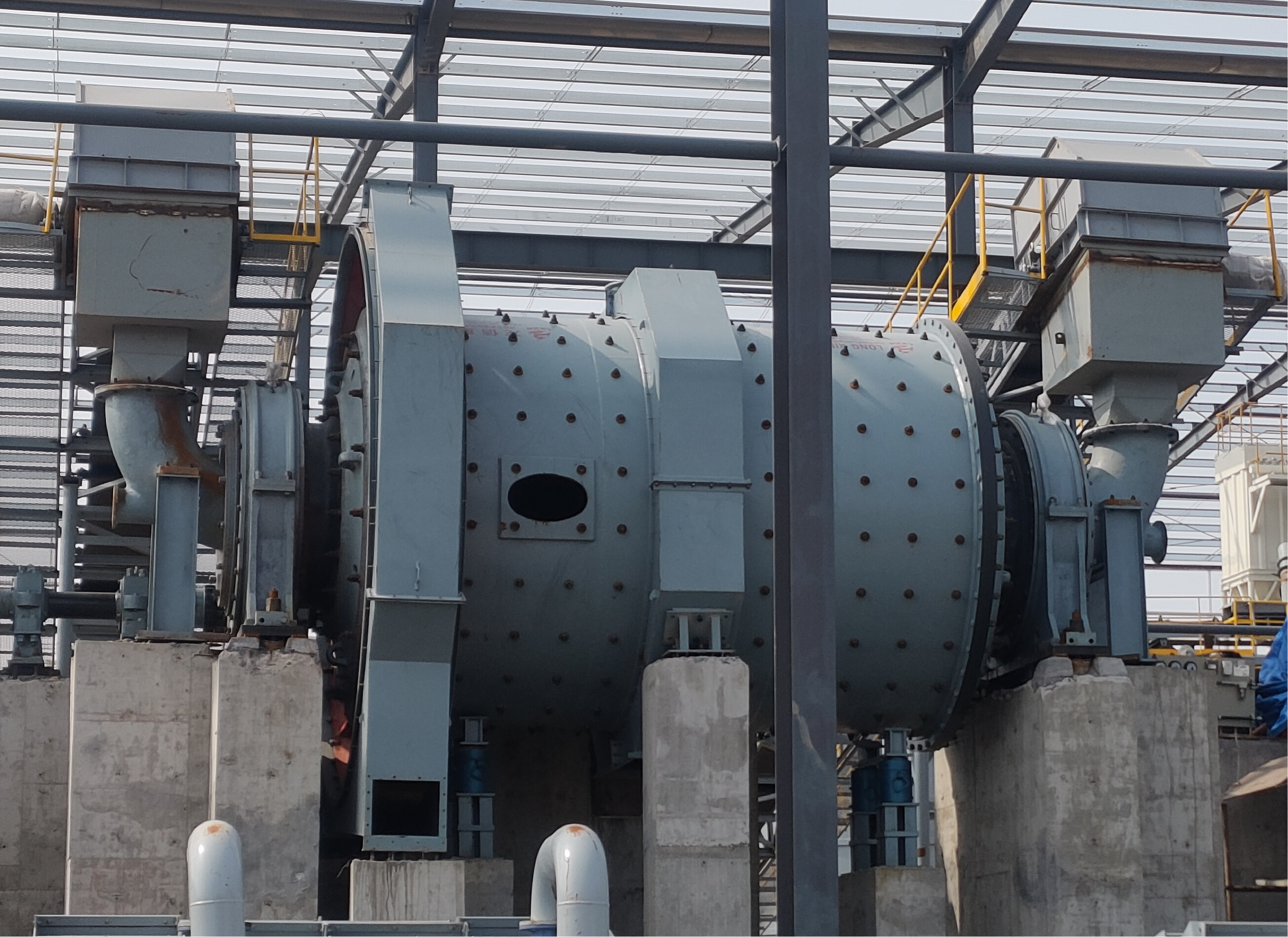
In grinding operations for mining, building materials, and chemical industries, ball mill efficiency directly impacts production capacity and costs. Many procurement decision-makers prioritize unit price when selecting liners, opting for lower-cost options. This price-driven approach often overlooks the profound impact of liner material on grinding efficiency, downtime frequency, and total operational cost.
In grinding operations for mining, building materials, and chemical industries, ball mill efficiency directly impacts production capacity and costs. Many procurement decision-makers prioritize unit price when selecting liners, opting for lower-cost options. This price-driven approach often overlooks the profound impact of liner material on grinding efficiency, downtime frequency, and total operational cost.
Main Classifications and Performance Differences of Liner Materials
Common materials for ball mill liners include high-manganese steel, high-chromium cast iron, rubber, and ceramic composites. High-manganese steel offers excellent work hardening and toughness, with significantly increased surface hardness under heavy impact, making it ideal for coarse grinding. High-chromium cast iron provides superior wear resistance and higher hardness but lower toughness, suiting fine grinding applications with strong abrasion and minimal impact. Rubber liners are lightweight, low-noise, and corrosion-resistant, commonly used in wet grinding and for materials sensitive to iron contamination. Ceramic composites combine high hardness with moderate toughness, delivering extended service life in specific operating conditions.
Different materials exhibit significant variations in hardness, toughness, wear resistance, and impact strength. These physical properties directly determine a liner's service life under specific operating conditions and its contribution to the grinding process.
How does material affect grinding efficiency?
A core function of the liner is to enhance the motion of grinding media and materials inside the cylinder. The shape, height, and arrangement of the lifter bars on the liner surface determine how high steel balls are lifted and their trajectory upon release, directly affecting the impact force and grinding area applied to the material. When the liner material lacks sufficient wear resistance, the lifter bars wear down faster and lose height over time, reducing the lift height of the steel balls and progressively lowering grinding efficiency.
Taking high-manganese steel liners as an example, their surface hardness increases gradually during the initial phase due to work hardening, resulting in relatively stable grinding efficiency. However, once wear exceeds a certain threshold, the loss of lifter height reduces the impact energy of the grinding media, leading to a measurable decline in material throughput per unit time. High-chromium cast iron liners, characterized by high initial hardness and low wear rates, maintain more stable lifter geometry over extended service life, resulting in smaller fluctuations in grinding efficiency.
Improper material selection can also lead to product contamination. When grinding materials like limestone or feldspar that require high whiteness or purity, metal shavings from worn liners can contaminate the product and degrade its quality. In such cases, opting for rubber or ceramic composite liners—even at a higher unit cost—prevents losses from product downgrading.
Hidden costs of focusing only on price
Procurement cost is only one component of the total lifecycle cost of liners. Total Cost of Ownership (TCO) includes purchase price, replacement frequency, downtime losses, energy consumption changes, and product quality fluctuations. Low-cost liners with rapid wear may require replacement every half the cycle or even less compared to high-end wear-resistant liners. Each liner replacement causes ball mill downtime lasting hours or even a full day. The resulting capacity loss, labor costs, and restart energy consumption often far exceed the initial price difference between liner types.
Using a ball mill with a diameter of 3.6 meters and a length of 6 meters as an example, replacing a set of liners typically requires 8 to 12 hours of downtime. If low-grade liners last only 60% as long as high-grade ones, this could result in two to three additional replacement shutdowns over a two-year cycle, leading to hundreds of hours of cumulative production loss. When factoring in these hidden costs, higher-priced wear-resistant liners may actually offer a lower total cost of ownership.
Selection must match operating conditions.
There is no single optimal choice for liner material; success depends on matching the material to specific operating conditions. Key factors include material hardness, abrasiveness, feed size, required product fineness, and whether the process is dry or wet. For coarse grinding with high impact loads, high-manganese steel offers superior toughness. In fine grinding where abrasion dominates, high-chromium cast iron provides better wear resistance. For wet grinding applications sensitive to iron contamination, rubber or ceramic composites are recommended.
We design ball mills, rod mills, autogenous mills, and vertical roller mills for mining, building materials, and chemical industries. A critical part of our solution is selecting the right liner material based on your specific material properties and production goals—helping you balance grinding efficiency, service life, and total cost of ownership.
Conclusion
The impact of liner material on ball mill grinding efficiency is a comprehensive issue spanning materials science, mechanical dynamics, and production management. Focusing solely on the quoted price during procurement often leads to underestimating how material selection affects long-term operating costs and product quality. To effectively reduce total milling costs, liner material must be integrated into system evaluations during equipment selection and technical planning, prioritizing data-driven operational matching over simple price comparisons.